The TIE Card in Spain for Britons: Deadline, Fee and Collection

Published Last verified

In this article
- How long do you have to apply for the TIE after you arrive?
- From landing to collecting the card
- What to take: what the official pages list
- Appointments that are hard to find
- Deadlines and fees by route
- Living with the card: validity, travel, changes and loss
- A change of address
- A lost or stolen card
- Renewal, and how the Withdrawal Agreement card differs
- Your next step: book the appointment as soon as you arrive
- FAQ
The TIE (Tarjeta de Identidad de Extranjero, the foreigner identity card) is the card that proves a Briton’s legal status in Spain once a visa or residence permit has done its work. A visa lets you in; the TIE card is what you show afterwards, at the border and at the next renewal. For a Briton arriving on a non-lucrative visa, the clock starts at entry; for workers it starts at Social Security registration. Britons resident before 2021 are covered by the Withdrawal Agreement and follow a different procedure. This article is for informational purposes only and is not legal advice; verify current requirements with the relevant Spanish authority or a licensed professional.
How long do you have to apply for the TIE after you arrive?
One month, but the start date depends on your permit. Royal Decree 1155/2024, the immigration regulation, says in article 209 (in force since May 20, 2025) that anyone issued a visa or authorization to stay in Spain for more than six months has the right and the duty to obtain the TIE, and must apply in person within one month of entering Spain or of the authorization being granted or taking effect.
For a non-lucrative visa, article 63.5 counts the month from entry. For an initial work permit as an employee, articles 73 and 77 make the permit effective only once you are registered with Social Security, which must happen within three months of legal entry, and the TIE is then due within one month of that registration. Article 85 sets the same pattern for the self-employed. A family member of a Spanish national who entered on a visa has one month from entry under article 97.7, in its version of September 22, 2026.
GOV.UK, in guidance first published December 22, 2025 and addressed to people moving now, says most British citizens who move to Spain need a TIE, children included, and that your visa sets out whether you need one and the deadline. Read the visa label first.
Missing the month has a cost. Article 209.4 says breaching the TIE obligations triggers the sanctions regime of the Ley Orgánica 4/2000, whose article 55 sets fines of up to 500 euros for minor offenses and 501 to 10,000 euros for serious ones. The pages read do not say which category a late first application falls into.
From landing to collecting the card
The steps below follow the Spanish regulation and the two Policía Nacional pages, with GOV.UK where the Spanish pages are silent.
- Before you travel. Check the visa label for the TIE duty and deadline, as GOV.UK advises. The NIE guide for Britons explains the number you will need for the fee form.
- Day of entry. On a non-lucrative visa the one month starts now. As an employee or self-employed worker, the three months to register with Social Security start now, and the one month for the TIE starts at registration.
- Register on the padrón. The padrón is the town hall’s register of residents. GOV.UK says you may need your padrón certificate for the TIE and that Spanish authorities often ask for one issued within the last 3 months. The padrón guide covers registration at the town hall.
- Book the appointment. GOV.UK says to make it at your local Oficina de Extranjería (foreigners’ office) or police station. The Policía Nacional page says the application is filed at any foreigners’ office or the relevant police station.
- Fill in EX-17 and pay the fee. Generate the payment document on the Form 790 code 012 page, choosing the line for a first temporary residence card, and pay 16.08 euros at a bank, savings bank or credit cooperative, where you need no account.
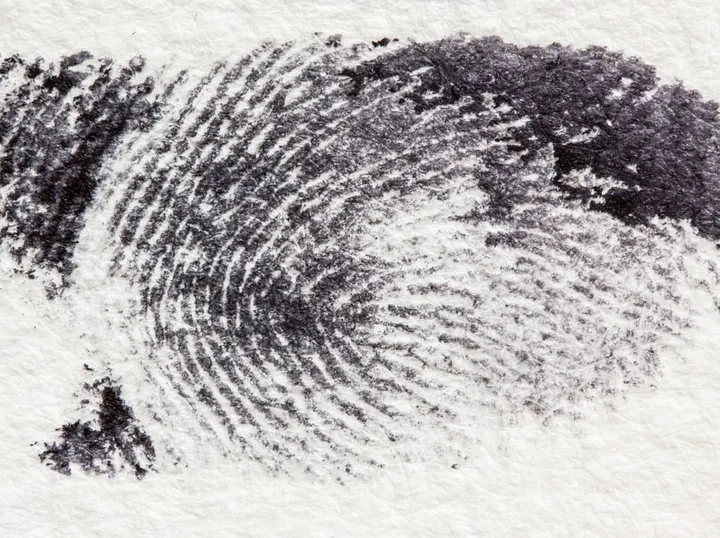
- Attend in person. GOV.UK says your fingerprints are taken at the appointment.
- Wait for the decision. GOV.UK says residency applications may take several weeks to process. The Spanish pages read give no time for the card.
- Collect the card. Article 209.11 says the police station that handled the file issues and hands over the card, and you must show that you are the recipient and that the fee has been paid. For a permit that depends on Social Security registration, the police check that registration themselves before issuing the card.
What to take: what the official pages list
The Policía Nacional page lists two documents for the TIE application: the EX-17 form, titled the application for a foreigner identity card, and the receipt for the Form 790 code 012 fee. Those are the only documents that page lists. The Interior Ministry’s TIE page, which lists further documents, could not be read for this guide.
GOV.UK adds that you may need to provide a copy of your fingerprints, taken at the appointment, and your padrón certificate and other documents, and tells you to check what to take to your appointment. Neither page gives a photo size, a number of photos or an online route for filing: the Policía page describes in person filing only. Confirm the list with the office that gives you the appointment.
The fee form itself has a requirement worth knowing before you sit down to fill it in. The online Form 790 code 012 marks the NIF/NIE field as mandatory, along with your name and address, so the NIE must exist before you pay.
Appointments that are hard to find
GOV.UK says it can be difficult for some British nationals to get an appointment to apply for or renew their TIE. It lists the options: check the booking system regularly, use a digital identity such as Cl@ve, or use a gestor or an immigration lawyer. You can also complain to the central government’s representative in your province, and then to the Defensor del Pueblo, Spain’s ombudsman. The appointment system page itself could not be read for this guide, so how far ahead slots open is not stated here.
Deadlines and fees by route
Fees come from the Policía Nacional fee table, which shows no date; deadlines come from Royal Decree 1155/2024.
| Situation | When the one month starts | TIE fee |
|---|---|---|
| Non-lucrative visa | Entry into Spain (art. 63.5) | 16.08 euros |
| Employee, initial permit | Social Security registration, due within 3 months of entry (arts. 73, 77) | 16.08 euros |
| Self-employed, initial permit | Social Security registration, due within 3 months of entry (art. 85) | 16.08 euros |
| Student stay over six months | Grant of the authorization (art. 54.9) | 16.08 euros |
| Family member of a Spanish national | Entry, or notification if granted inside Spain (art. 97.7) | 12 euros |
| Renewal of temporary residence | Notification of the renewal (art. 64.9) | 19.30 euros |
| Long-term residence | Notification of the grant (art. 184.7) | 21.87 euros |
The residence visas of Ley 14/2013 follow a different rule. Its article 75.4 says those visas last one year, or the length of the authorization if shorter, and authorize residence without the need to process a TIE. When an authorization under that law is granted for more than six months, article 76.2 says the TIE must be requested, and article 76.3 sets renewals in two-year periods, filed electronically.
Living with the card: validity, travel, changes and loss
The TIE has the same validity as the authorization behind it and loses it when that authorization ends, under article 209.7; the Policía page says the same. An initial non-lucrative authorization lasts one year (article 61.4), an initial employee permit as long as the job up to one year (article 73.4), and an initial self-employed permit one year (article 83). The card is personal and non-transferable, and looking after it is your responsibility.
At the border, the GOV.UK travel advice says British nationals living in Spain do not need their passports stamped and should actively show proof of residence, such as the TIE, with the passport. It adds that time in Spain with a residence permit or long-stay visa does not count toward the 90-day visa-free limit. GOV.UK’s TIE guidance says you must hold a TIE to be exempt from registering with the Entry/Exit System; the 90/180 and EES guide for Britons explains that system.
A change of address
The two governments word this differently. Article 213 of the Spanish regulation requires you to tell the police station of your place of residence about a change of nationality, address or civil status within one month, with supporting documents; a late notice is a minor offense under article 52 of the Ley Orgánica 4/2000. GOV.UK says you must renew your TIE when personal details such as your address change. The regulation read does not say whether a change of address needs a new card; when you give notice within the month, ask the police station whether it will issue one.
A lost or stolen card
Article 209.9 says a lost, destroyed or damaged card is replaced at your request, and the new card is not a renewal: it runs for the time left on the old one. If you ask for it within the renewal window, both procedures run together. Under article 5, a holder whose card was lost or stolen can request a return authorization (autorización de regreso), a document that allows re-entry to Spain, once a duplicate has been requested; the fee table lists it at 10.72 euros.
Renewal, and how the Withdrawal Agreement card differs
For a non-lucrative permit, article 64 says you apply to the foreigners’ office in the two months before expiry, which extends the old authorization until a decision. Filing within three months after expiry also extends it, but a sanction procedure may follow. The renewed authorization lasts two years, and you must apply in person for the new card within one month of the renewal notice, for 19.30 euros. The Policía page says the same: once the favorable decision is notified, you request the card. Article 209.8 obliges you to hand the old card in at the police station where you live. If you must travel while the renewal is pending, GOV.UK says to apply for an Autorización de Regreso, and article 5 limits it to 90 days from expiry when requested before expiry.
Britons who lived in Spain before January 1, 2021 are in a different position. GOV.UK says their green certificate remains valid but should be exchanged for a TIE printed with Articulo 50 TUE, which shows Withdrawal Agreement rights, and the fee table lists that card at 12 euros. The Withdrawal Agreement card guide covers that procedure.
Your next step: book the appointment as soon as you arrive
The month is short, so book the appointment as soon as you land, or as soon as Social Security registration is done if you came to work. To do it yourself: register on the padrón, generate the Form 790 code 012 payment, fill in EX-17 and attend in person. The visa application guide for Britons explains the permit that comes before it.
Get help when your permit depends on Social Security registration that has not gone through, when no appointment appears before your deadline, or when your card is lost abroad. The Spain Navigator puts every step of your move to Spain in order, from the visa to settling in.
FAQ
Do I need a TIE if I stay in Spain for less than six months?
Article 209 of Royal Decree 1155/2024 attaches the TIE duty to a visa or authorization to stay in Spain for more than six months. A shorter stay authorization therefore carries no TIE duty under that article. The official pages read do not discuss any exception specific to British citizens, so check the wording printed on your own visa.
Can someone else apply for my TIE?
No. Royal Decree 1155/2024 says the application is made personally, in each of the articles read, and the Policía Nacional page lists in person filing at a foreigners' office or police station only. The card is also handed over to the holder, who must show that they are the recipient and that the fee has been paid.
How long does a first TIE take to be ready?
The official pages read do not give a time for the card itself. GOV.UK says residency applications may take several weeks to process and that the card is collected from the foreigners' office or police station once approved. The Spanish regulation says the police station that handled the file issues the card and hands it over.
Does the TIE show my NIE number?
The official pages read do not describe what the card displays, such as the photo, the number or the expiry date. They describe its function only: the card identifies a foreigner to prove legal status in Spain. The online fee form does ask for your NIE as a mandatory field, so the number has to exist before you pay.
What happens if I miss the one month deadline?
The regulation says that breaching the TIE obligations triggers the sanctions regime of the Ley Orgánica 4/2000. That law lists fines of up to 500 euros for minor offenses and from 501 to 10,000 euros for serious ones. The pages read do not say which category a late first TIE application falls into, so file as soon as you can.
Sources
Official pages this article was checked against, with the date we last read them.
- Real Decreto 1155/2024, Reglamento de la Ley Orgánica 4/2000, texto consolidado
- Ley Orgánica 4/2000, sobre derechos y libertades de los extranjeros en España y su integración social, texto consolidado
- Ley 14/2013, de apoyo a los emprendedores y su internacionalización, texto consolidado
- Tarjeta inicial o renovación residencia o residencia y trabajo
- Tasas de extranjería
- Tasa modelo 790 Código 012: Reconocimientos, Autorizaciones y Concursos (formulario)
- Spain: registering as a resident and getting a TIE
- Entry requirements, Spain travel advice